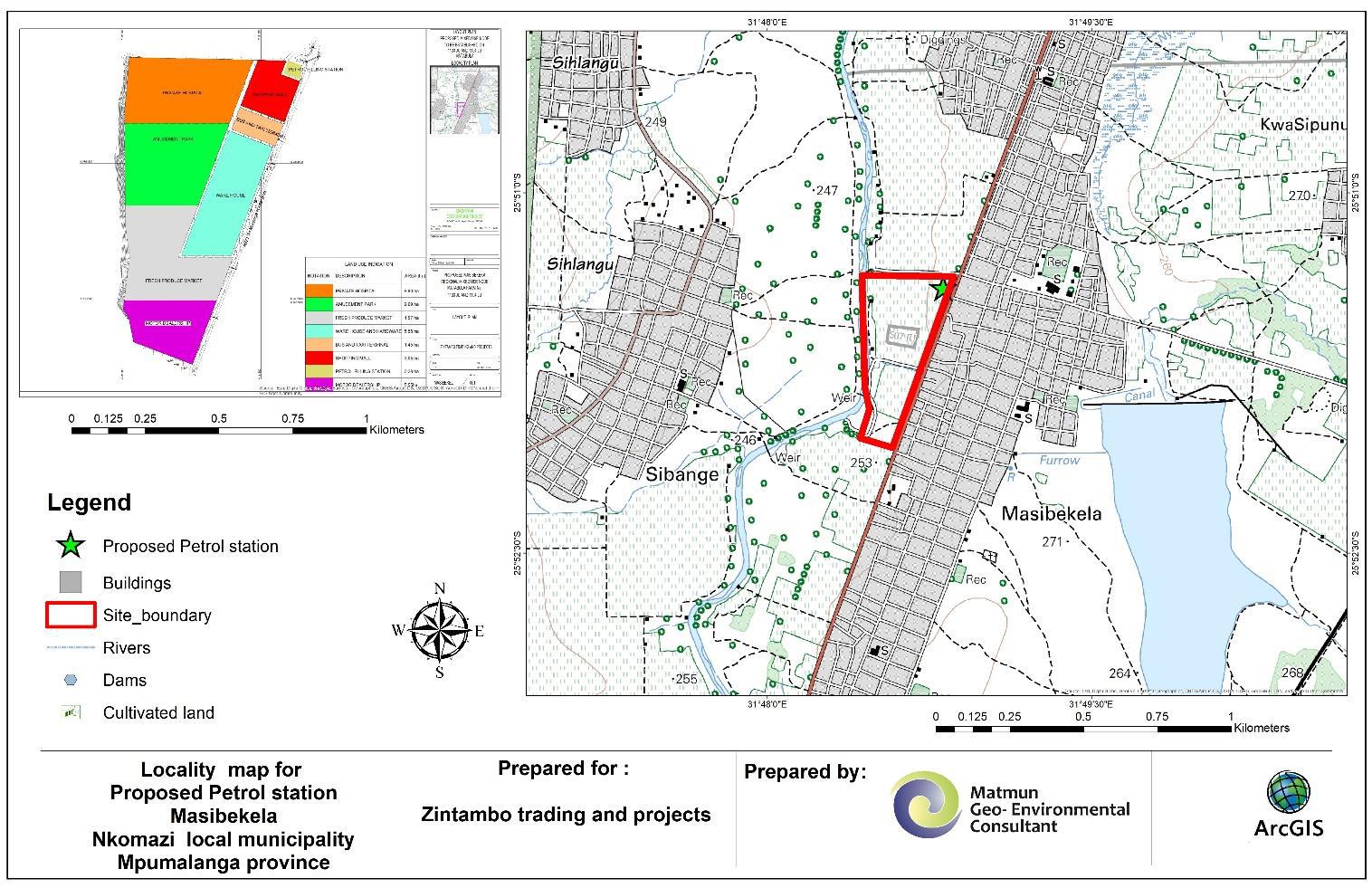

The completed traffic impact study for the Masibekela Smart City project reveals the strategic advantages of its location and the potential benefits for various stakeholders. Let's delve into the key findings and their implications for the community, businesses, and local government.
1. Excellent Accessibility
The study shows that the Masibekela Smart City will be accessible via two major roads: the R571 national road and the D4445 provincial road. This dual access point strategy ensures smooth traffic flow and provides multiple options for residents, visitors, and businesses to reach the development. The strategic location at the intersection of these roads maximizes visibility and convenience for all stakeholders.
2. Manageable Traffic Impact
While the development will naturally increase traffic in the area, the study demonstrates that with proper infrastructure upgrades, the road network can adequately handle the additional volume. The proposed roundabout upgrades at key intersections will significantly improve traffic flow and safety, benefiting both new and existing residents of the area.
3. Public Transportation Integration
The inclusion of a dedicated taxi rank within the development showcases a commitment to integrating public transportation. This feature will enhance mobility options for residents and workers, potentially reducing private vehicle dependency and associated traffic congestion.
4. Phased Development Approach
The study's analysis of both Phase 1 and Phase 2 of the project indicates a well-planned, gradual increase in traffic volume. This phased approach allows for incremental infrastructure improvements, minimizing disruption to existing communities while steadily boosting economic activity in the area.
5. Long-term Vision
By conducting a horizon year analysis for 2025, the study demonstrates foresight in planning. The proposed infrastructure upgrades are designed to accommodate future growth, ensuring the development remains sustainable and efficient in the long term.
6. Economic Opportunities
The mixed-use nature of the development, including a shopping mall, hospital, and various commercial spaces, promises to create a significant number of job opportunities. The strategic location ensures these opportunities are accessible to a wide catchment area, potentially reducing unemployment in the broader region.
7. Enhanced Regional Significance
By positioning the Smart City at the intersection of national and provincial roads, the project is poised to become a regional hub. This could attract further investment to the area, benefiting local businesses and potentially increasing property values for existing residents.
8. Sustainable Urban Planning
The comprehensive nature of the development, incorporating residential, commercial, and recreational spaces, aligns with modern principles of sustainable urban planning. By creating a self-contained community with diverse amenities, the project may reduce the need for long-distance travel, potentially easing traffic on surrounding roads in the long term.
Conclusion:
The traffic impact study for the Masibekela Smart City project underscores the effectiveness of its location. By leveraging existing road infrastructure and planning for future growth, the development promises to deliver significant benefits to various stakeholders. From improved accessibility and economic opportunities to sustainable urban design, the project's strategic location sets the stage for a thriving, well-connected community that could serve as a model for future developments in the region.
As the project moves forward, continued engagement with local communities and regular reviews of traffic patterns will be crucial to ensure the development's success and its positive impact on the broader Nkomazi municipality.